Injection Mold Tooling Service
Get precise and outstanding custom injection molds to produce high-quality plastic parts. Tight Tolerance of 0.02 mm
STEP | STP | SLDPRT | IPT | PRT | SAT 文件
/01
高质量 部件
As an ISO-certified company, our standard tolerances are defined by ISO 2768 standards. We offer a range of injection mold tooling tolerances to meet your requirements. Based on your design, we can reach tight tolerances up to +/-0.02mm.
/02
快速交付 时间
With certified domestic factories and a strong supply chain system, we accelerate the product development cycle and bridge the production of your injection molded parts as fast as possible.
/03
Engineering Support
Broad expertise on a wide array of molds and products can support your business by providing advice and solutions to achieve your goals.
什么是
Tooling in Injection Molding?
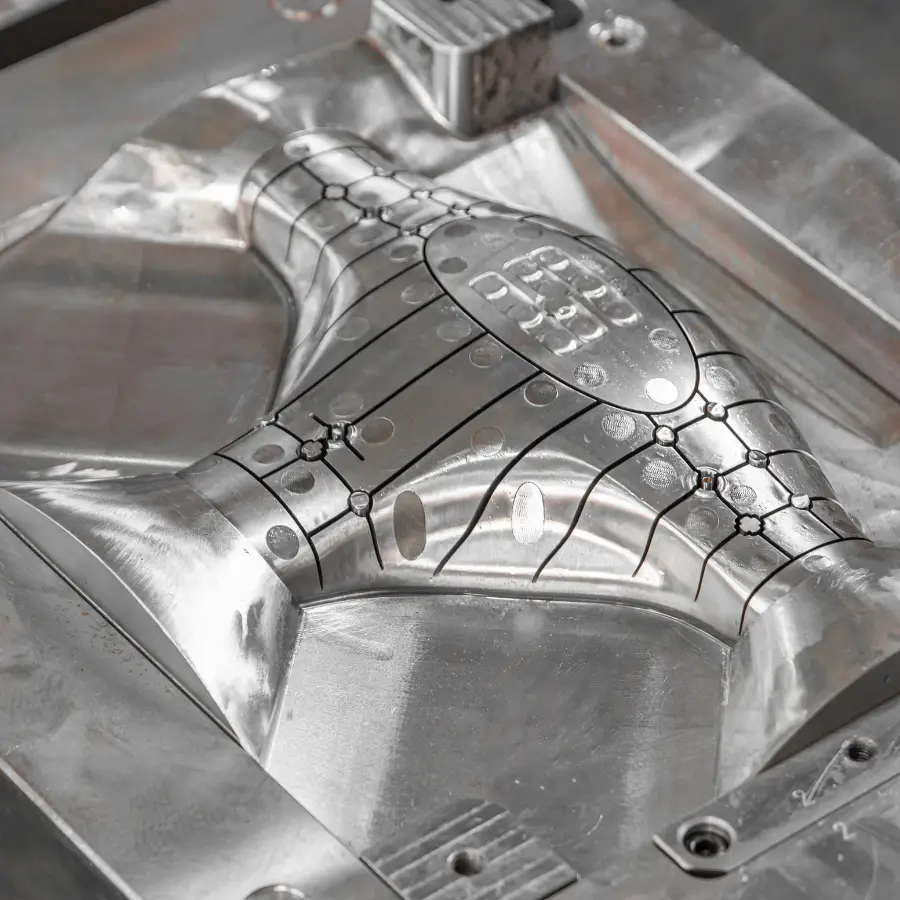
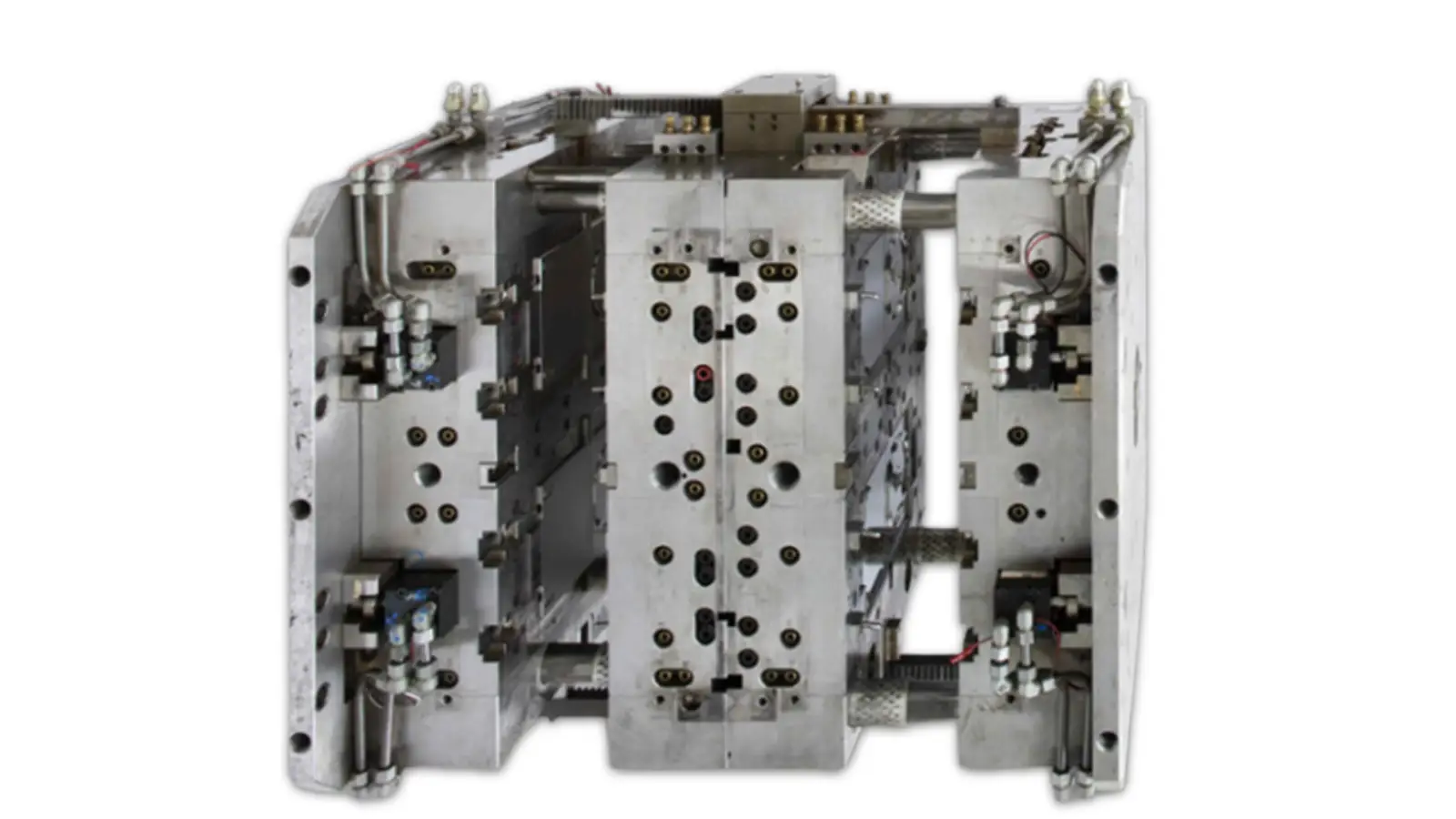
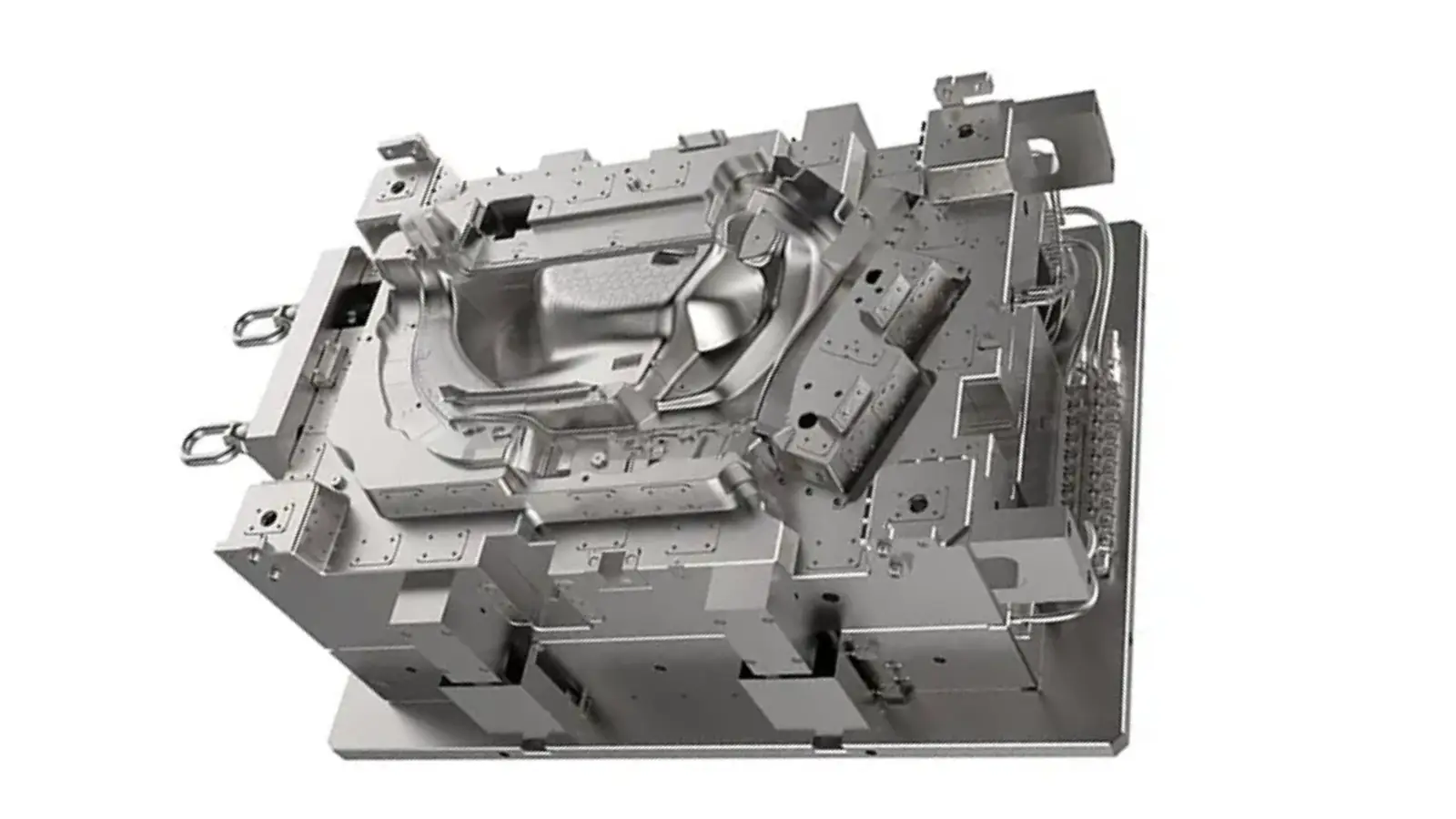
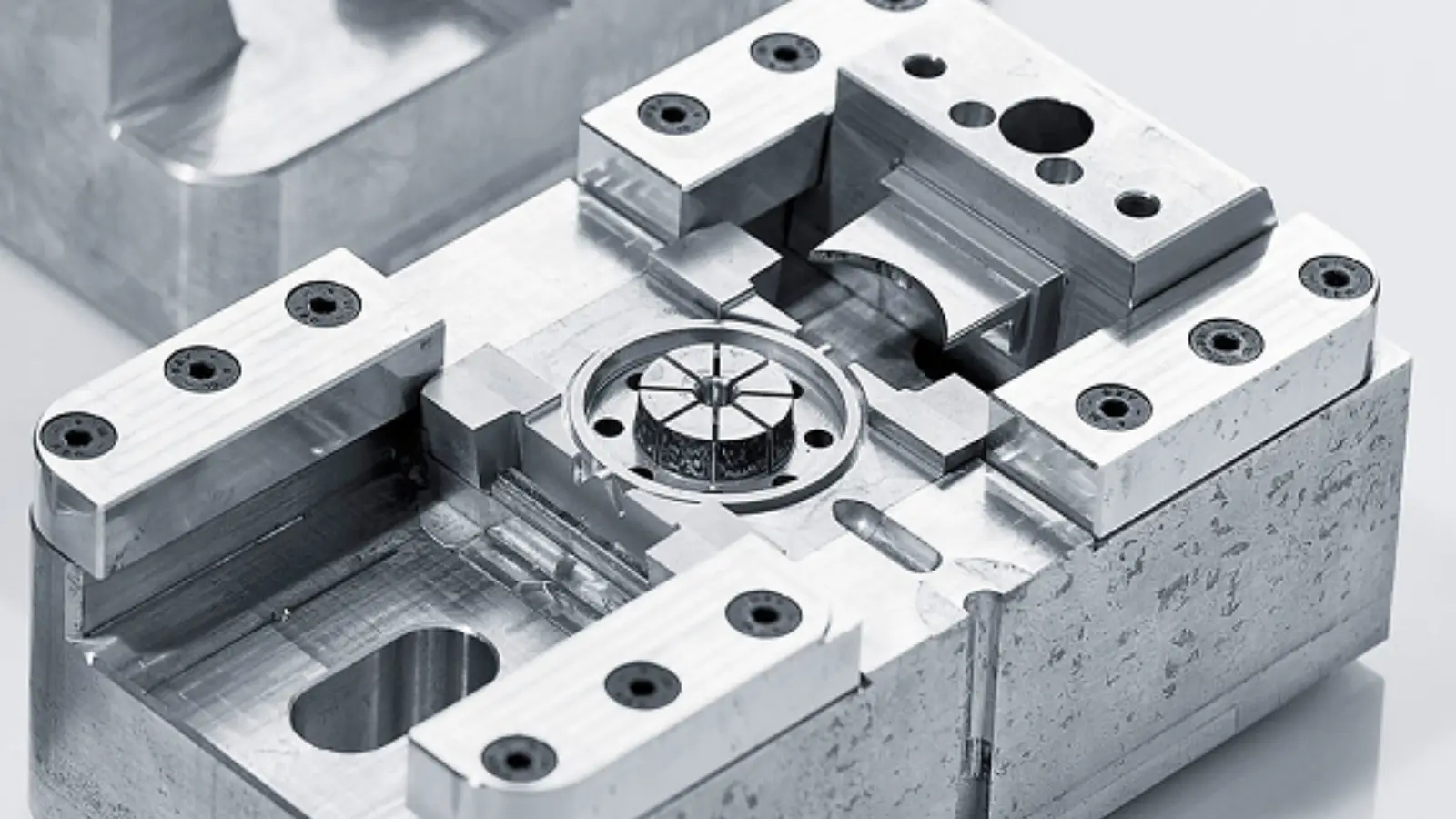
Get your injection molded parts created in the most innovative way. At RapidDirect, we offer custom injection molds that guarantee the success of your projects. We work with you to understand the peculiarities of your project, then develop a precise plastic injection mold design according to your specifications. Our expert technicians handle all complexities involved in the mold production process.
Our versatility allows us to develop prototype tools and production molds at affordable prices. With the fastest possible lead times, our capabilities help us optimize production and get your products to market faster. Are you ready to take plastic part production to the highest level? RapidDirect is ready to assist you in that journey.
白蚁精度
Mold Tooling Services
原型设计
Rapid Tooling
Get easy design feedback and validation through superior quality prototype tooling. Create small batches of plastic molded parts with excellent injection molding prototypes. We excel at manufacturing prototype molds within days to ensure you perform functional tests and validate market interest. We implement affordable aluminum tooling to help you reduce financial risks before full-scale production.
生产
Production Tooling
We create high-quality production molds for high-volume plastic parts production. With high-strength, durable tool steel material, our production tooling is suitable for producing hundreds of thousands of parts. We can vary materials and construction methods according to your unique requirements.
Types of Injection Molds
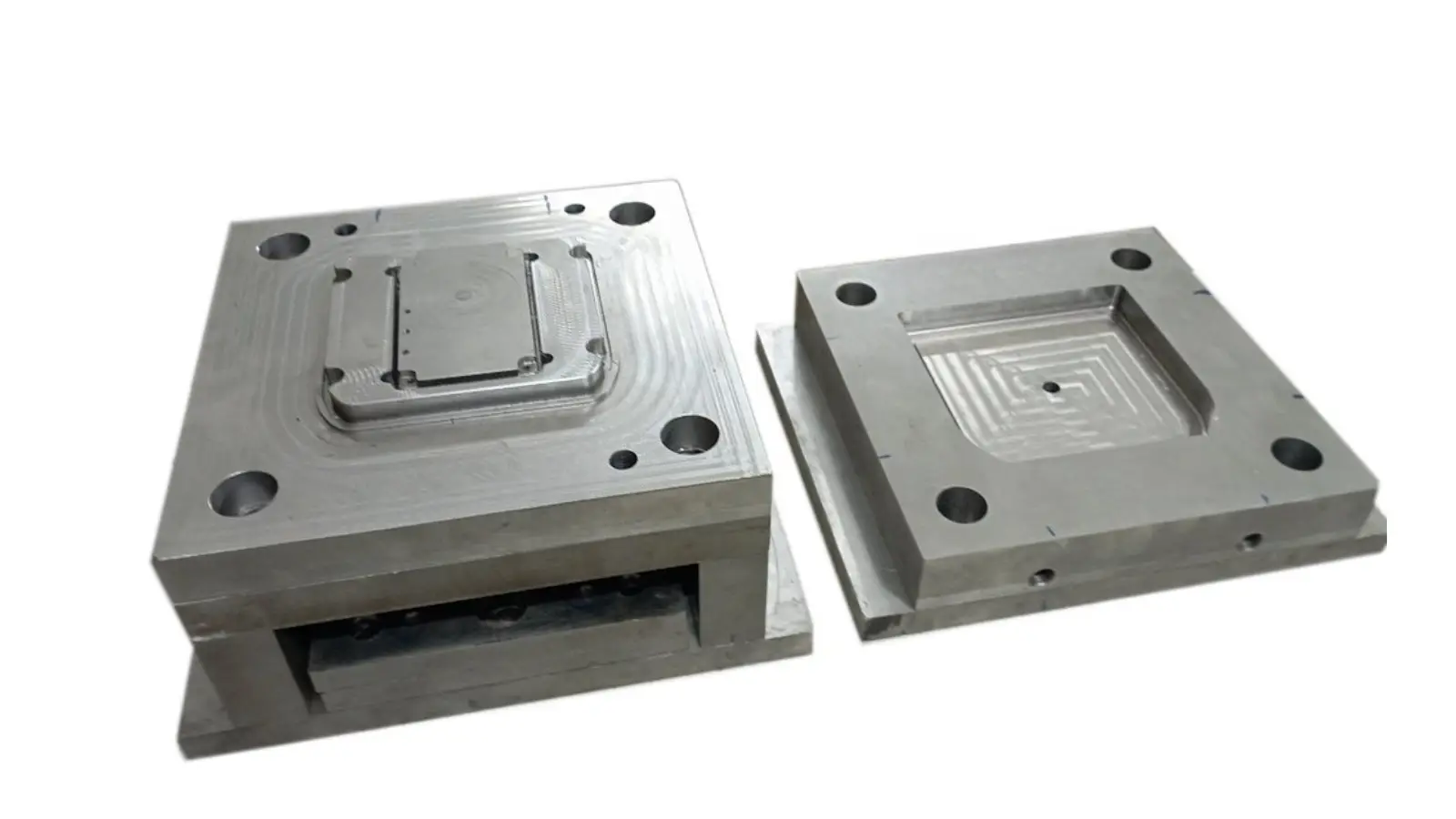
We offer various types of injection mold tooling, depending on your specifications and applications. From prototype mold tooling to production and export molds, RapidDirect is your reliable partner.
- Single Cavity Mold
Ensure effective low-volume plastic parts production with high-quality single cavity injection molds. These cost-effective mold tooling options give you more control over the plastic manufacturing process.
- Multi Cavity Mold
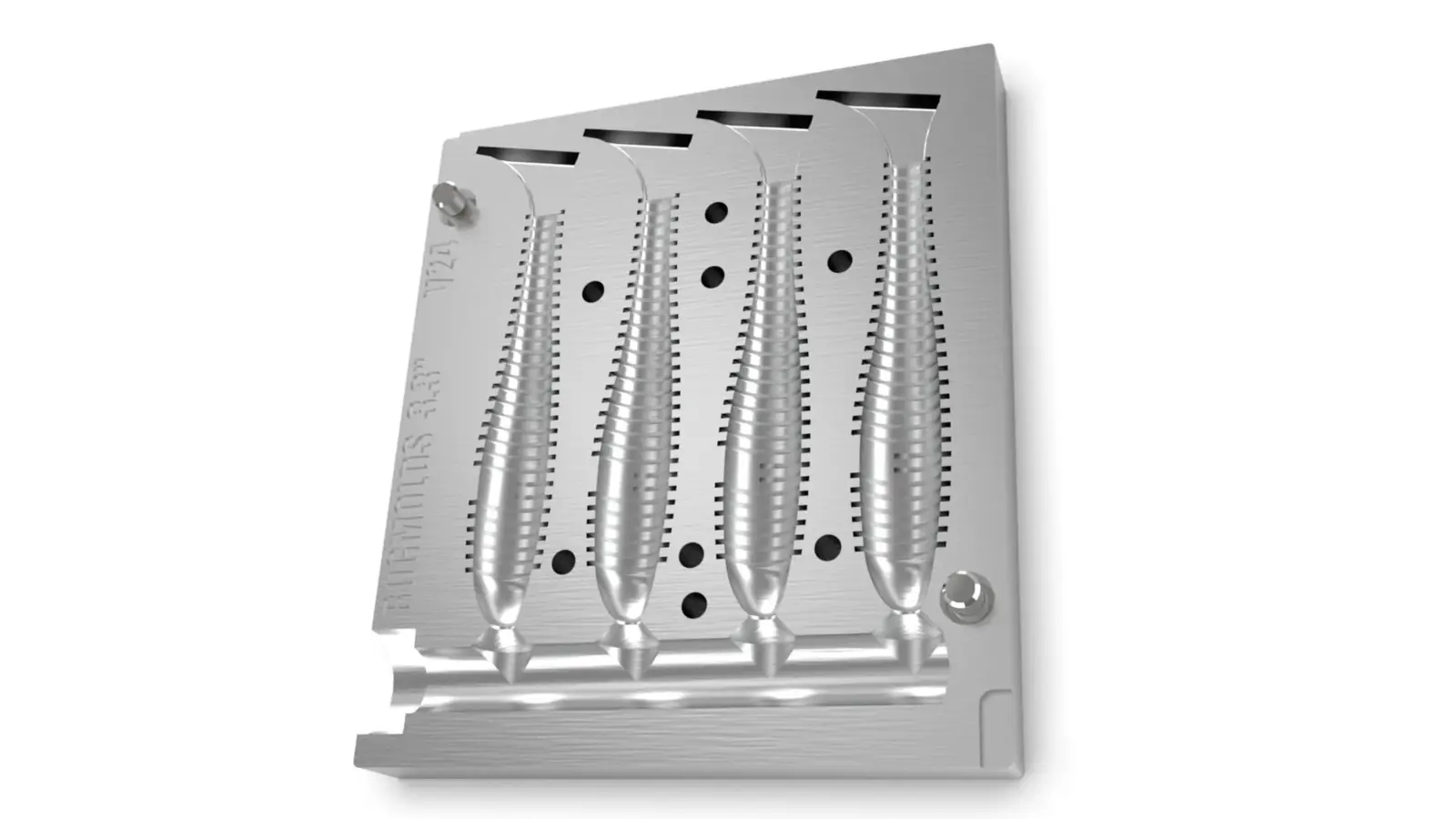
Efficiently manufacture multiple plastic molded parts with superior-quality multi-cavity molds. Our multi-cavity injection molds ensure more effective use of cycle time while offering a lower cost of a unit part. With higher productivity, you can get high quantities of parts per cycle.
- Stack Mold
Increase the output of your injection molding process with innovative stack molds. RapidDirect delivers excellent stack mold tooling to increase your molding efficiency while reducing overall part cost. We can design stack molds with equal numbers or different numbers of cavities in each parting surface. Create multi-component assemblies in one shot!
- 2K Injection Mold
Economical and efficient custom injection molding solution for molding two different plastic materials. We provide 2K injection mold tooling to allow a seamless combination of soft and hard plastics for one product. Save costs by creating tailor-made products and combining assembly steps into one molding process.
Materials for
Injection Mold
工具钢
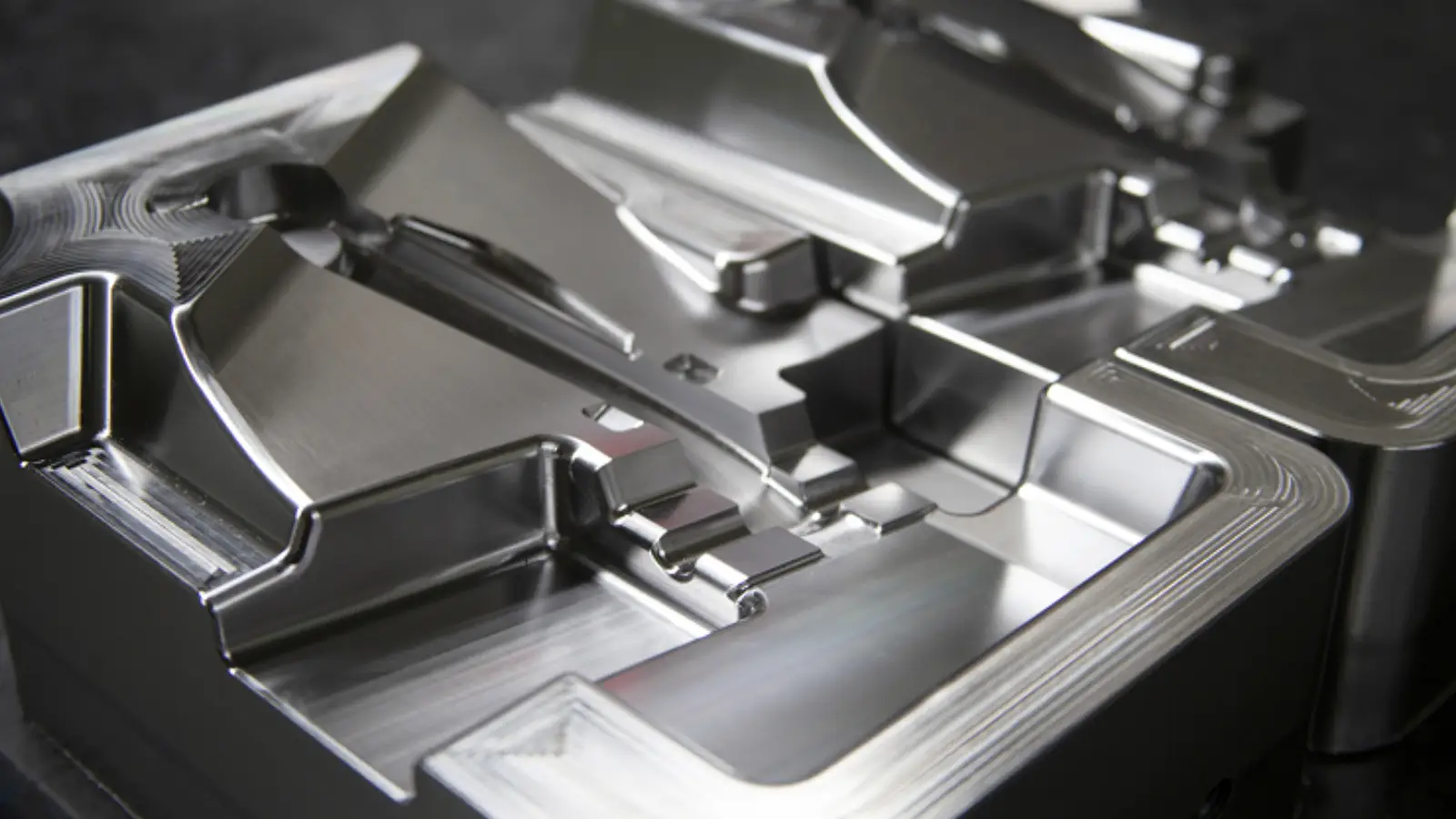
Before injection molding process starts low or high-volume production, a high tolerance CNC machined tooling is needed. Most commonly used materials include tool steel. Types: P20, H13, S7, NAK80, S136, S136H, 718, 718H, 738
不锈钢
Injection molds were created from steel and stainless steel which are expensive to manufacture. They are typically only used in large-scale productions. Types: 420, NAK80, S136, 316L, 316, 301, 303, 304
铝质
Aluminum molds cost substantially less than traditional steel and carbon steel injection molds. Aluminum molds offer faster cycles and quick turnaround to help test markets. Types: 6061, 5052, 7075
注塑成型
能力
At Termite Precision, we design and create precise custom injection molds from high-quality materials. Our processes ensure unmatched consistency and repeatability at fast lead times and affordable pricing. Every plastic injection mold we fabricate meets international standards. From one-off projects to small batches and production tooling, we provide durable and reliable mold tools.
| Purpose | Shot Life | 宽容 | 费用 | 准备时间 | |
|---|---|---|---|---|---|
| Class 105 | Purpose Prototype Testing | Shot Life Under 500 cycles | 宽容 ± 0.02mm | 费用 $ | 准备时间 7-10 days |
| Class 104 | Purpose Low-volume Production | Shot Life Under 100.000 cycles | 宽容 ± 0.02mm | 费用 $$$ | 准备时间 10-15 days |
| Class 103 | Purpose Low-volume Production | Shot Life Under 500.000 cycles | 宽容 ± 0.02mm | 费用 $$$$ | 准备时间 10-15 days |
| Class 102 | Purpose Medium-volume Production | Shot Life Medium-volume Production | 宽容 ± 0.02mm | 费用 $$$$$ | 准备时间 10-15 days |
| Class 101 | Purpose High-volume Production | Shot Life Over 1,000,000 cycles | 宽容 ± 0.02mm | 费用 $$$$$$ | 准备时间 10-18 days |
Plastic Injection Molding Process
Plastic injection molding is a highly efficient and versatile process used to produce complex and intricate plastic parts.
1. Mold Design & Material:
Precision-designed molds are made using CAD software, typically from steel for durability or aluminum for faster cooling, depending on production needs.
2. Plastic Preparation:
Plastic granules are chosen for specific product properties, dried, and loaded into the machine’s hopper.
3. Melting & Injection:
The plastic is melted and injected into the mold under high pressure to ensure complete filling and detail accuracy.
4. Cooling & Solidification:
The molten plastic cools and solidifies in the mold, shaped by precisely controlled cooling channels to minimize defects.
5. Ejection & Finishing:
The solid part is ejected from the mold and undergoes any necessary trimming, polishing, or painting for final finishing.
6. Quality Inspection:
Each part is inspected for quality, ensuring it meets all specifications for dimensions, appearance, and performance.
Advantages of Prototype Tool
1. Speed to Market: Accelerates development and refinement, reducing time to launch.
2. Cost Efficiency: Less expensive than full-scale molds, minimizing initial investment.
3. Design Flexibility: Allows for easy modifications based on testing feedback.
4. Risk Reduction: Identifies production issues early, avoiding costly future corrections.
5. Functional Testing: Facilitates thorough testing to ensure the product meets all requirements.
常见问题
Why is Injection Molding Tooling So Expensive?
Injection molding tooling costs are high for various reasons.
Material Costs: Molds are typically made from high-quality, durable materials like hardened steel or aluminum. Steel is particularly costly but necessary for long production runs due to its durability.
Complex Manufacturing Process: Producing molds involves precise and labor-intensive processes, including CNC machining, EDM (Electrical Discharge Machining), and sometimes hand polishing. The complexity of the mold, including multiple cavities, undercuts, or intricate details, adds to the cost.
Precision: High-precision molds are essential for producing parts with tight tolerances, especially in industries like automotive, aerospace, or medical. Achieving this level of precision requires advanced manufacturing equipment and skilled technicians, which increases the overall cost.
Customization: Injection molds are custom-built for specific products, and each design demands unique considerations. This custom nature of the tooling, tailored to individual part requirements, significantly raises costs compared to more standard, off-the-shelf tools.
Design and Engineering Time: Developing a mold requires significant design work to ensure it can withstand high pressure and temperature during the injection process. The design must also account for part geometry, cooling channels, and ejection systems, requiring specialized engineering expertise.
What Factors Influence Injection Mold Tooling Design?
Several factors affect the design:
Part Design and Geometry: The shape, size, and complexity of the part being molded greatly influence the mold design. Complex geometries, intricate details, and thin walls require specialized mold features, such as additional cooling channels or more advanced gating systems.
Material Selection: The plastic type significantly impacts mold design, affecting factors like cooling rates, shrinkage, and flow behavior. For example, polypropylene shrinks more, while polycarbonate requires higher mold temperatures. The mold material must also resist wear from abrasive or corrosive plastics.
公差: Tolerances and Precision Requirements: High-precision parts require molds with tighter tolerances, which can complicate the design and increase manufacturing costs. Mold designers must account for dimensional accuracy and consistency, particularly in industries like automotive and medical.
Ejection System: The method of ejecting the part from the mold affects both mold design and cycle time. Options like ejector pins, air blast systems, or stripper plates must be carefully integrated into the mold to avoid damaging the part.
Gate Design: The location and type of gate (direct, pin, or edge gate) determine how the molten plastic enters the mold. Gate design affects the quality of the finished part, influencing flow characteristics, surface finish, and cycle time.
Undercuts and Parting Lines: Parts with undercuts or complex geometries may require side actions or lifters in the mold design to release the part without damaging it. These features increase mold complexity and cost.