









Wire EDM Machining Services

Get precision wire EDM parts with accuracy and intricacy. Ideal for complex geometries that demand the highest standards. ISO 9001:2015, ISO 13485, ISO14001:2015, IATF 16949:2016 certified.

STEP | STP | SLDPRT | IPT | PRT | SAT files

/01

High Quality Parts

We use top-tier, regularly updated EDM machinery, ensuring clients receive workpieces machined to the highest standards of precision and accuracy. High precision with tolerance up to +/-0.001”.

/02

Fast Lead Time

Termite Precision ensures quick project turnarounds as fast as 1 day without compromising on quality, thanks to our efficient wire EDM process and dedicated team.

/03

Online Ordering and Quoting

Termite Precision’s online platform offers quick quotes and real-time order tracking. Streamline your projects with our efficient, transparent system for maximum convenience in the digital age.

What is
Precision CNC Machining

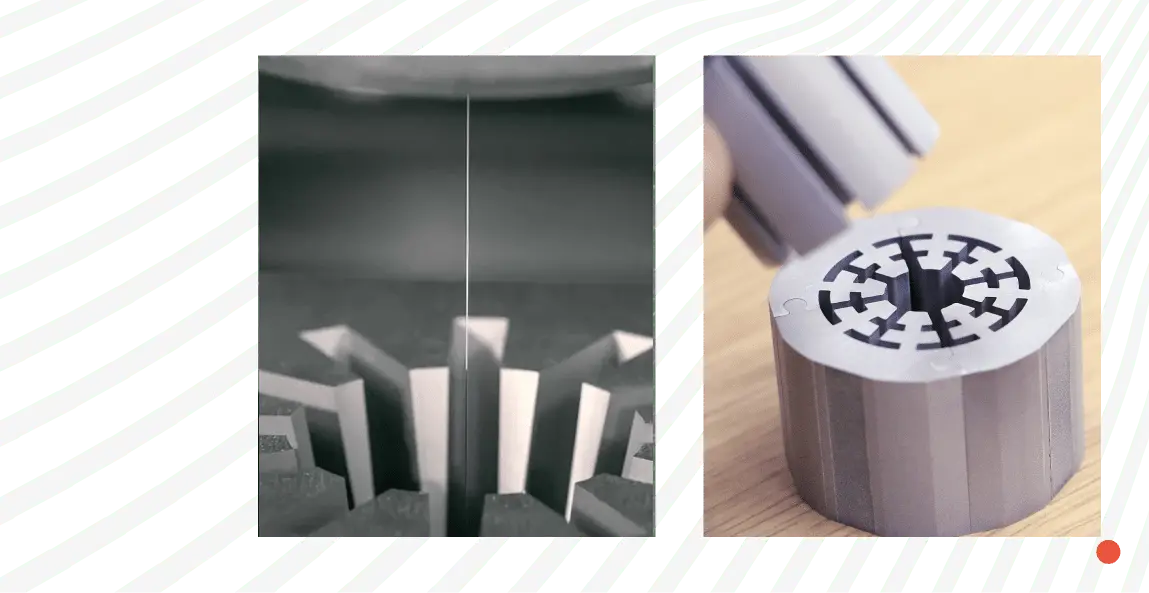
At Termite Precision, we own the power of Wire Electrical Discharge Machining (EDM) to deliver precision-engineered parts to our clients. Wire EDM is a specialized machining process that utilizes electrical sparks to form intricate shapes and details in metals. This is done by creating a controlled electrical discharge between two electrodes, immersed in a dielectric fluid, which precisely cuts through the metal by melting and vaporizing it.

The true strength of wire EDM lies in its ability to machine complex contours and minute details in materials that are typically challenging to handle with traditional CNC machining. This includes heat-treated steels, superalloys, and other special metals. With wire EDM, we can achieve parts with incredibly tight tolerances and fine details such as narrow slots and small holes with unparalleled accuracy.

Our wire EDM services are a perfect match for applications requiring exacting precision. Whether it’s creating components for aerospace, automotive, or intricate molds and dies, our technology ensures that every cut is precise and of the highest quality. Termite Precision’s commitment to precision and quality is backed by our advanced wire EDM equipment and our team of skilled technicians who are experts in their field. This combination makes us a leader in wire EDM machining, capable of delivering parts that meet the rigorous demands of any industry.

How Wire EDM
Machining Works

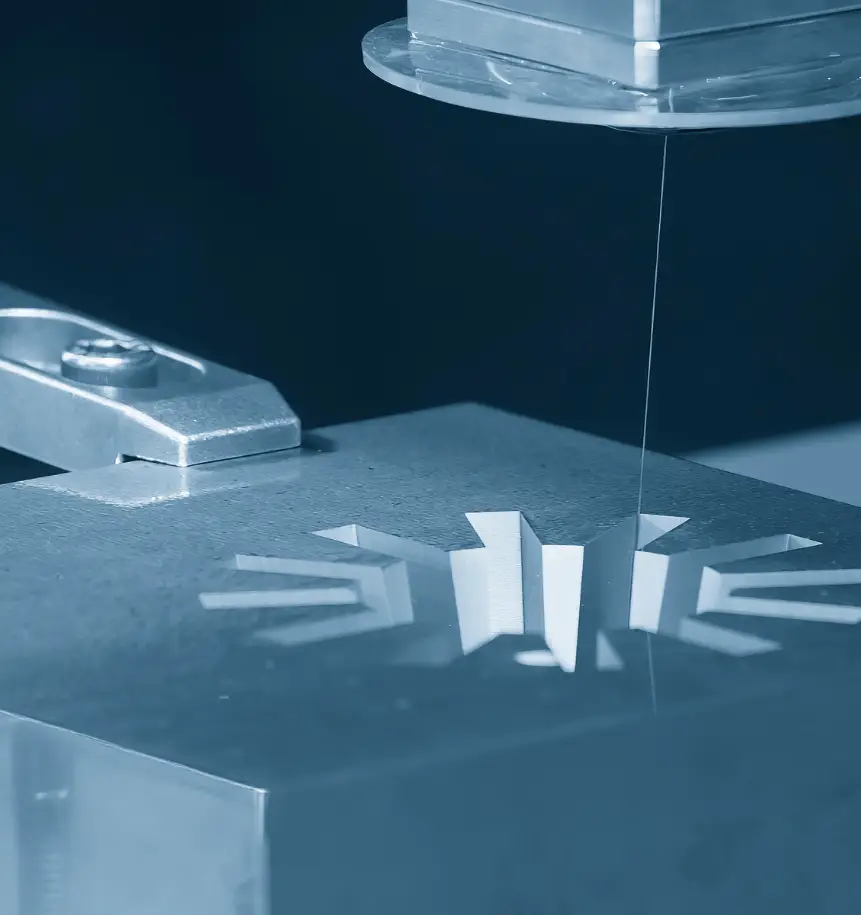
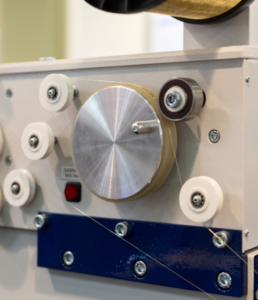
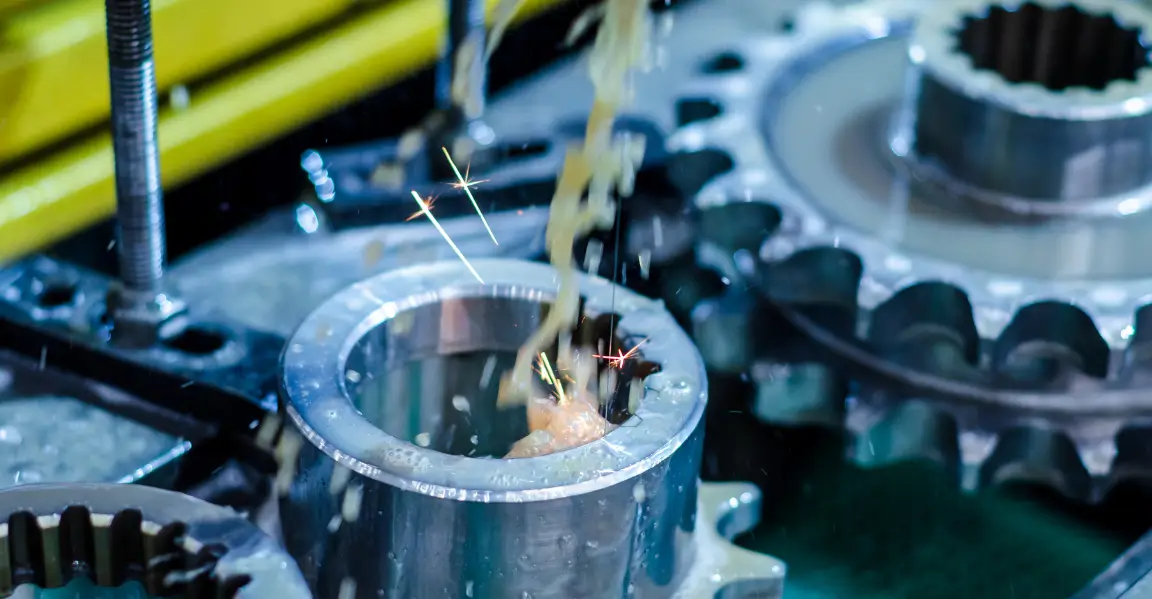
In wire EDM machining (Wire electrical discharge), a thin wire, precisely controlled and guided by computer systems, moves through a workpiece submerged in deionized water. The wire, acting both as a guide and electrode, uses electrical discharges to cut conductive materials accurately, resulting in parts with finely finished surfaces that seldom require further processing. Termite Precision state-of-the-art facilities ensure that even the most complex designs are executed with precision, reflecting our commitment to quality and client satisfaction.

Step 1 Prepare the Workpiece

I am tab 1 content. Click edit button to change this text. Lorem ipsum dolor sit amet, consectetur adipiscing elit. Ut elit tellus, luctus nec ullamcorper mattis, pulvinar dapibus leo.
Step 2 Establish the Electrical Discharge

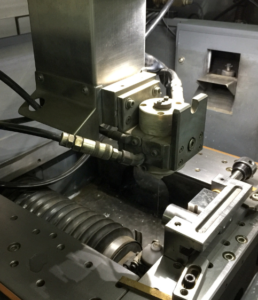
Next, a thin metal wire is fed through the machine’s guides and the wire and workpiece are submerged in a dielectric fluid, usually deionized water. An electrical potential is applied, causing the fluid to break down and allowing an electrical discharge (spark) to occur, eroding the workpiece’s surface.
Step 3 Control the Wire Movement

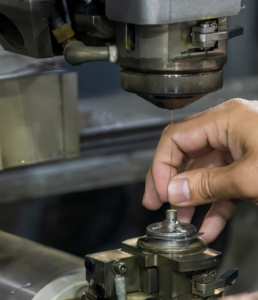
The final step is to precisely control the wire’s movement using a computer numerical control (CNC) system. The CNC guides the wire along a specific path, enabling it to cut complex shapes and profiles in the workpiece. The dielectric fluid is continuously circulated to remove debris and maintain temperature during the cutting process. Once the cutting is complete, the workpiece is removed, resulting in a high-quality, precisely machined part.
materials

Wire EDM
Materials

Termite Precision’s Wire EDM services efficiently machine a wide range of conductive materials, including tough superalloys and hardened steels, ensuring precise and durable components for demanding industries.

Metals
Stainless Steel

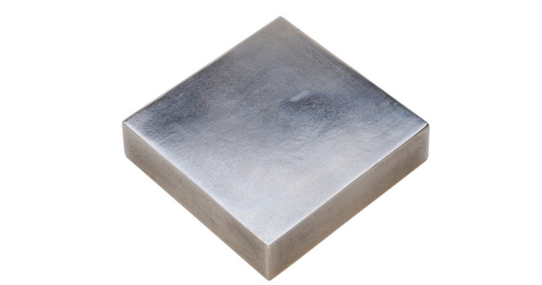
Stainless steel offers excellent corrosion resistance and strength, making it ideal for durable and long-lasting components in various industries, including medical and food processing.
Titanium

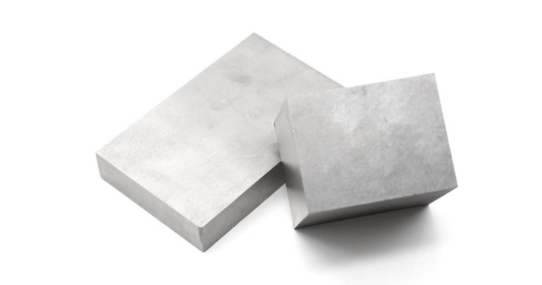
Titanium provides an exceptional strength-to-weight ratio and biocompatibility, making it perfect for aerospace applications and medical implants that require both durability and lightweight properties.
Steel & Hard Tool Steel

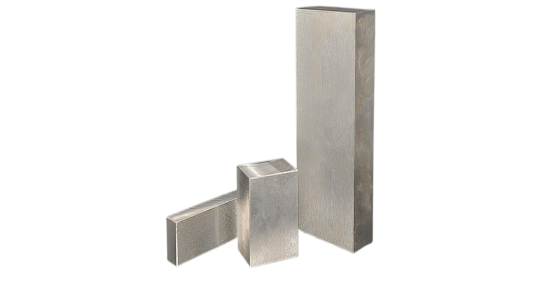
Steel and hard tool steel are known for their toughness and wear resistance, making them suitable for high-stress applications such as cutting tools, molds, and heavy-duty machinery components.
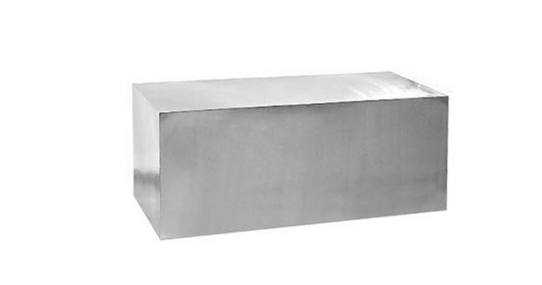
Aluminum

Aluminum is lightweight and highly machinable, offering good corrosion resistance and electrical conductivity. It is widely used in aerospace, automotive, and electronic applications.
Wire EDM
Part Size Standards

Termite Precision can handle diverse part sizes machined by wire EDM, from intricate micro components to larger, complex assemblies, ensuring precise adherence to dimensional standards.

Small Parts (mm)Medium Parts (mm)Large Parts (mm)
Maximum LengthSmall Parts (mm) 50Medium Parts (mm) 100Large Parts (mm) 500
Maximum WidthSmall Parts (mm) 30Medium Parts (mm) 70Large Parts (mm) 300
Maximum HeightSmall Parts (mm) 10Medium Parts (mm) 40Large Parts (mm) 150
Minimum ThicknessSmall Parts (mm) 0.5Medium Parts (mm) 1.0Large Parts (mm) 5.0
ToleranceSmall Parts (mm) ±0.005Medium Parts (mm) ±0.01Large Parts (mm) ±0.03

Applications of
Wire Cut Parts

Wire EDM machining offer adaptability and precision, driving innovation and quality across diverse fields.

  • Aerospace: Produce components with complex geometries and precise tolerances that are essential for the high-performance demands.
  • Medical Devices: Allow for the manufacturing of intricate implants and surgical tools, ensuring safety and reliability.
  • Tool and Die Making: Ideal for creating detailed molds, dies, and fixtures that require exact dimensions and smooth surface finishes.
  • Automotive: Facilitate the production of high-precision gears and other critical components that demand tight tolerances.
  • Custom Manufacturing: Supporting bespoke manufacturing needs for specialized machinery and exotic material items.

Advantages of Wire EDM Machining

Wire EDM offers several compelling advantages for precision machining:

  • Precision and Accuracy: It is renowned for its ability to produce parts with extremely tight tolerances, often within +/- 0.0001 inches. This level of precision is crucial for industries such as aerospace, medical, and tool and die making.
  • Complex Geometries: The method can create intricate and complex shapes that are difficult or impossible to achieve with traditional machining processes. This includes sharp inside corners, intricate patterns, and detailed contours.
  • Material Versatility: It can cut through any electrically conductive material, including hard metals like titanium and hardened tool steel, without inducing stress or distortion to the material.
  • Smooth Surface Finishes: The process often requires little to no post-machining finishing because it can achieve surface finishes as smooth as a 16 microinch Ra. This reduces the overall production time and cost.
  • No Contact Cutting: Since the wire never physically touches the part, there is no cutting force involved, eliminating mechanical stresses during processing. This feature is especially beneficial for fragile parts or those with thin walls.

FAQs

What are types of EDM machining?

There are three main types of EDM process.

  • Wire EDM: This method employs a thin wire as an electrode, capable of cutting intricate shapes and contours in conductive materials with high precision. It is ideal for producing complex parts with tight tolerances, often used in industries such as aerospace, medical, and electronics.


  • Sinker EDM (Ram EDM): This technique uses a custom-shaped electrode that is plunged into the workpiece to form detailed cavities and shapes. It is widely utilized for mold-making, die production, and manufacturing components with intricate geometries.


  • Hole-Drilling EDM: Specializes in drilling small, precise holes in hard materials. It is particularly useful for creating cooling holes in turbine blades and as a preliminary process for wire EDM.

Yes, Wire EDM can effectively machine hard materials. This process uses a thin wire electrode to erode material through electrical discharges, making it ideal for cutting tough, conductive materials such as hardened tool steels, titanium, tungsten carbide, and superalloys. Unlike traditional machining methods, Wire EDM does not rely on mechanical force, eliminating issues like tool wear and material distortion. This capability makes it perfect for creating intricate shapes and achieving tight tolerances in hard materials, commonly required in aerospace, medical device manufacturing, and tool and die industries. Wire EDM ensures precision and high-quality finishes even in the hardest materials.

Wire EDM (Electrical Discharge Machining) offers remarkable precision, achieving tolerances as tight as ±0.0001 inches (±2.5 microns). This high level of accuracy is made possible by the thin wire electrode and advanced computer controls that guide the machining process. Wire EDM is capable of producing intricate and complex shapes with consistent precision, making it ideal for applications in aerospace, medical devices, and high-precision manufacturing. Additionally, the process provides smooth surface finishes, often eliminating the need for additional finishing work. This precision ensures that parts meet the most demanding specifications and quality standards.

Wire EDM machining can produce an extensive array of intricate shapes with exceptional precision. It is particularly adept at creating sharp internal corners, complex contours, and detailed patterns that are challenging for conventional machining. Wire EDM can handle both 2D and 3D geometries, making it suitable for cutting thin walls, small holes, and narrow slots with high accuracy. This capability is essential for applications requiring complex and precise shapes, such as in the production of aerospace components, medical devices, and detailed molds and dies. Wire EDM’s versatility ensures that it can meet diverse and exacting design requirements.

Yes, Wire EDM can cut very thick materials with precision and efficiency. It is capable of cutting through materials up to 12 inches (300 mm) thick, depending on the machine and setup. The process uses a thin wire electrode to erode the material, allowing it to cut through dense and hard materials without distortion. This capability makes it ideal for applications requiring precise cuts in thick materials, such as large molds, heavy-duty machine components, and aerospace parts. The precision and versatility ensure consistent and accurate results, even in very thick materials.

While Wire EDM is a highly precise and versatile machining process, it has several limitations:

Material Restrictions: It can only cut electrically conductive materials. This limitation excludes non-metallic materials such as plastics, ceramics, and composites, which cannot be machined using this process.

Cutting Speed: The cutting speed is generally slower compared to some traditional machining methods, particularly when dealing with very thick materials. This can result in longer production times for certain applications.

Operating Costs: The process requires a continuous supply of wire and dielectric fluid, which can contribute to higher operational costs. Additionally, the cost of the wire itself can be significant, especially for long or intricate jobs.

Complex Setup: Setting up and programming Wire EDM machines can be complex and time-consuming. Skilled operators are required to optimize the process and ensure precision, which can add to labor costs.

Surface Finish: While Wire EDM can achieve excellent surface finishes, achieving the highest quality finishes can require additional passes and slower cutting speeds, further increasing the machining time.

Contact US

    Your industry *

    Upload 2D/3D drawings

    Upload Your Files or Contact 1@yzkjcnc.com to Get Instant Quote (Please attach 2D CAD drawings and 3D CAD models in any format including STEP, IGES, DWG, PDF, STL, ZIP, etc.).

    Max file size: 20MB

    Project Details (Please include: Part Name / Quantity / Material / Color / Surface Finish)