









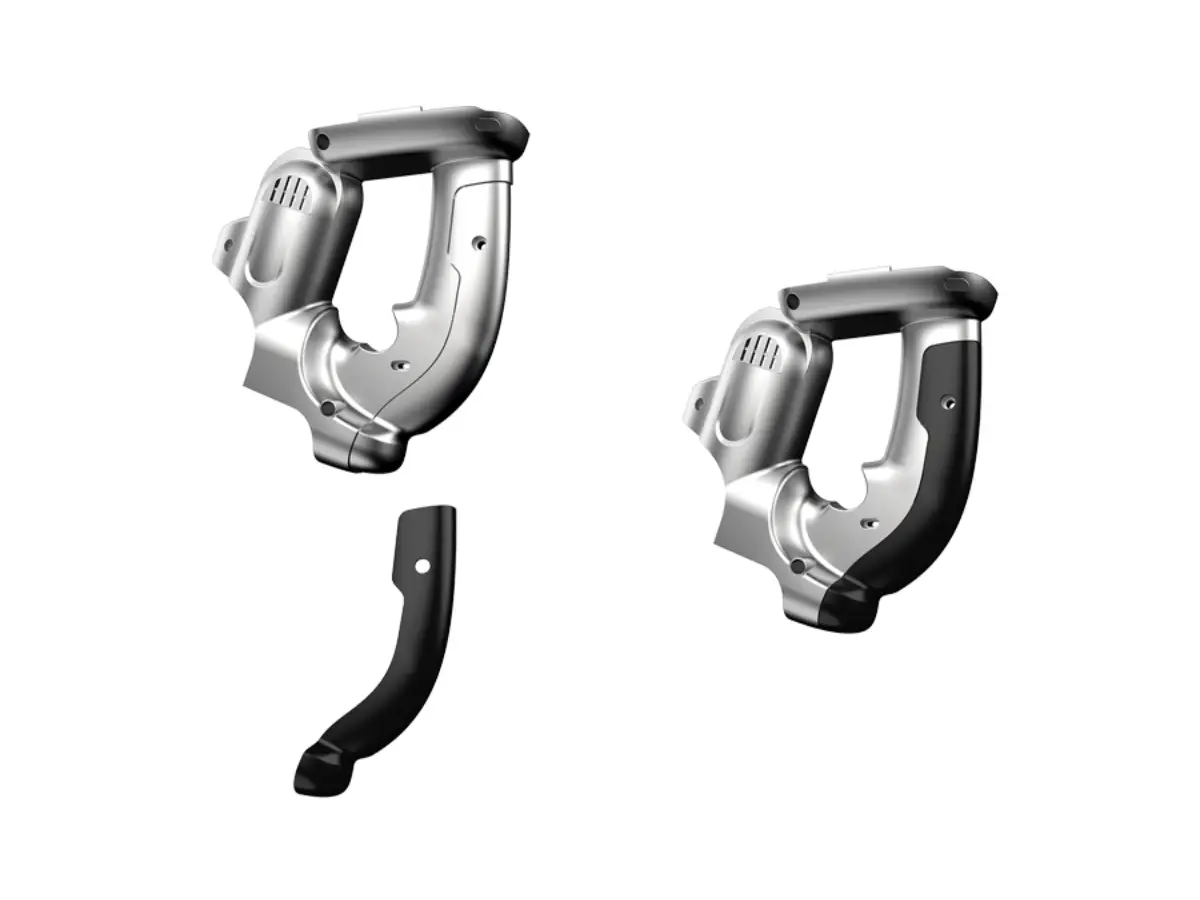
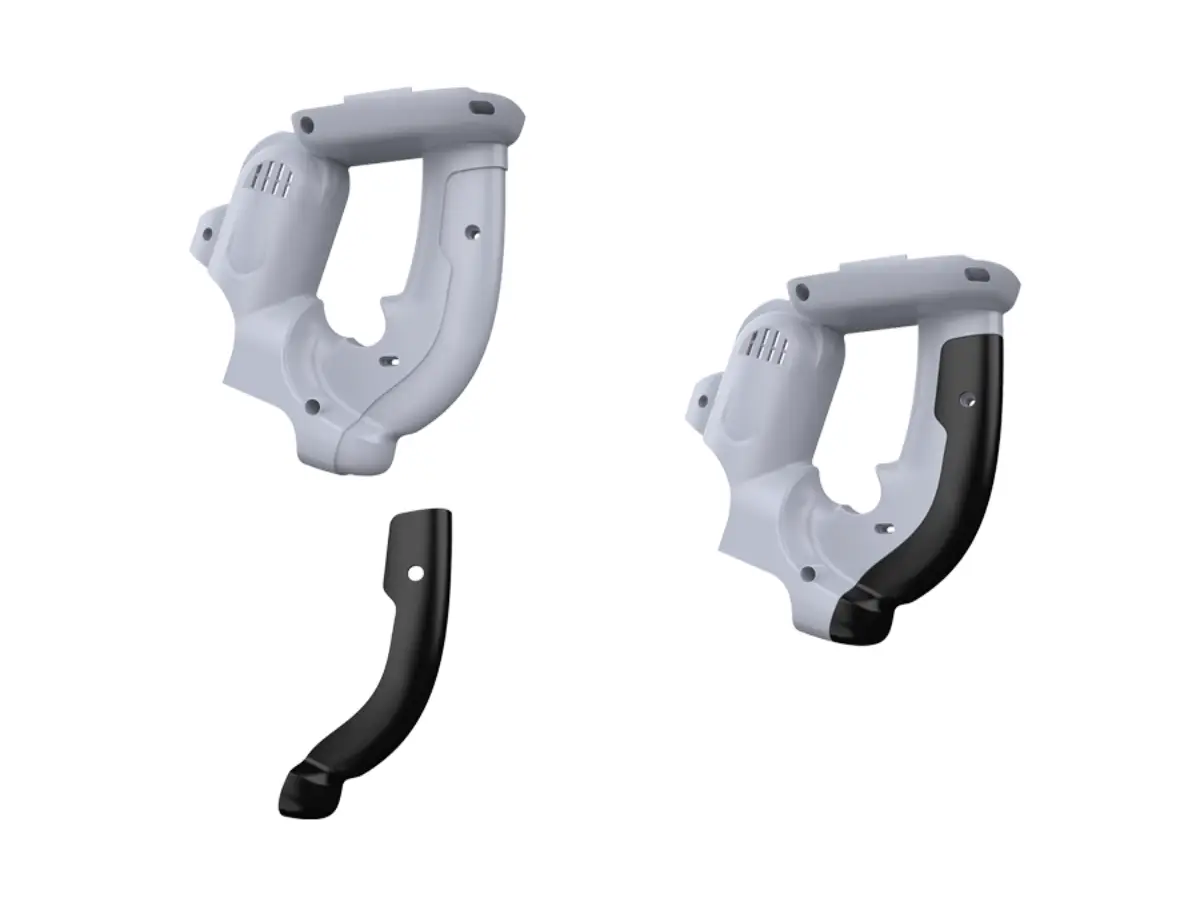
Overmolding Service
High-quality custom overmolding services for prototypes and on-demand production parts. Rapid Tooling Production as fast as 2 weeks.
STEP | STP | SLDPRT | IPT | PRT | SAT files
/01
High Quality Parts
Owing certified factories, conducting in-process inspections and dimensional verification after production, guarantee the custom molded parts are consistent in quality regardless of the complex shape with high precision.
/02
Fast Lead Time
With certified domestic factories and a strong supply chain system, we accelerate the product development cycle and bridge the production of your overmolded parts as fast as possible.
/03
Engineering Support
Working with our experts having 10+ years of experience in the injection molding industry, efficiently complete a turnaround from prototyping to production.
What is
Overmolding?
Overmolding Process
- Plastic over Plastic
Crucial for mass production, involves machining, and assembling durable molds from steel or aluminum to ensure precise and repeatable part geometries.
- Aluminum and steel injection mold.
- Achieves detailed geometries.
- Ideal for mass production.
- Rubber Over Plastic
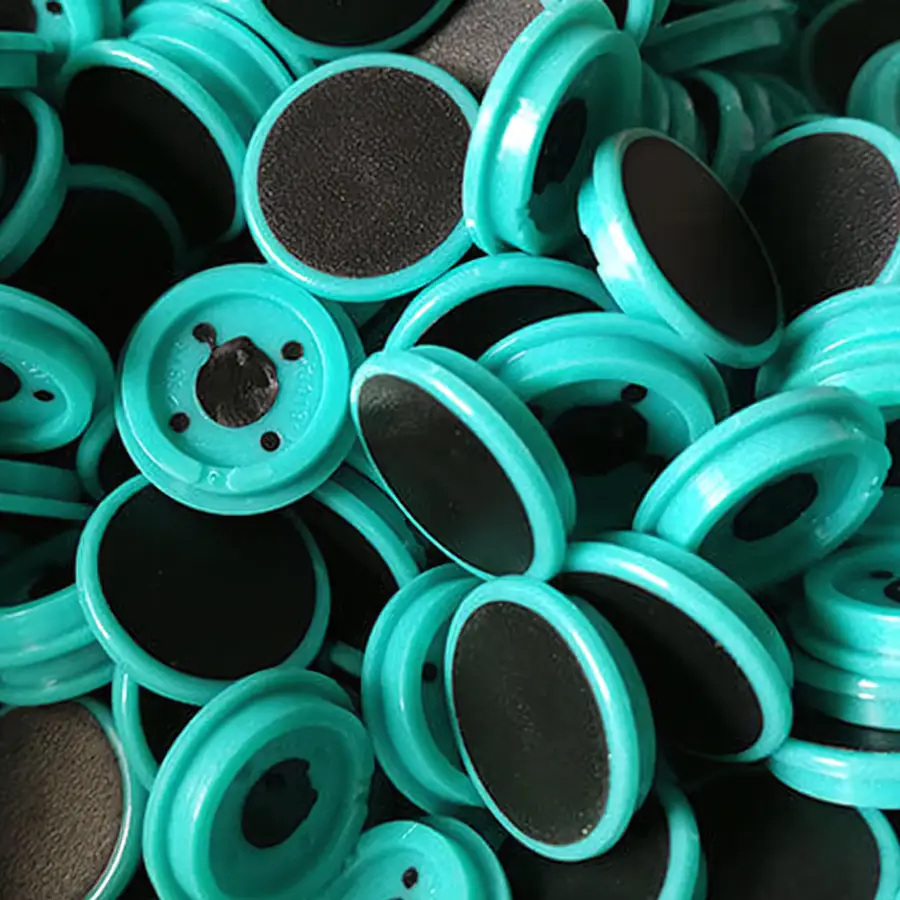
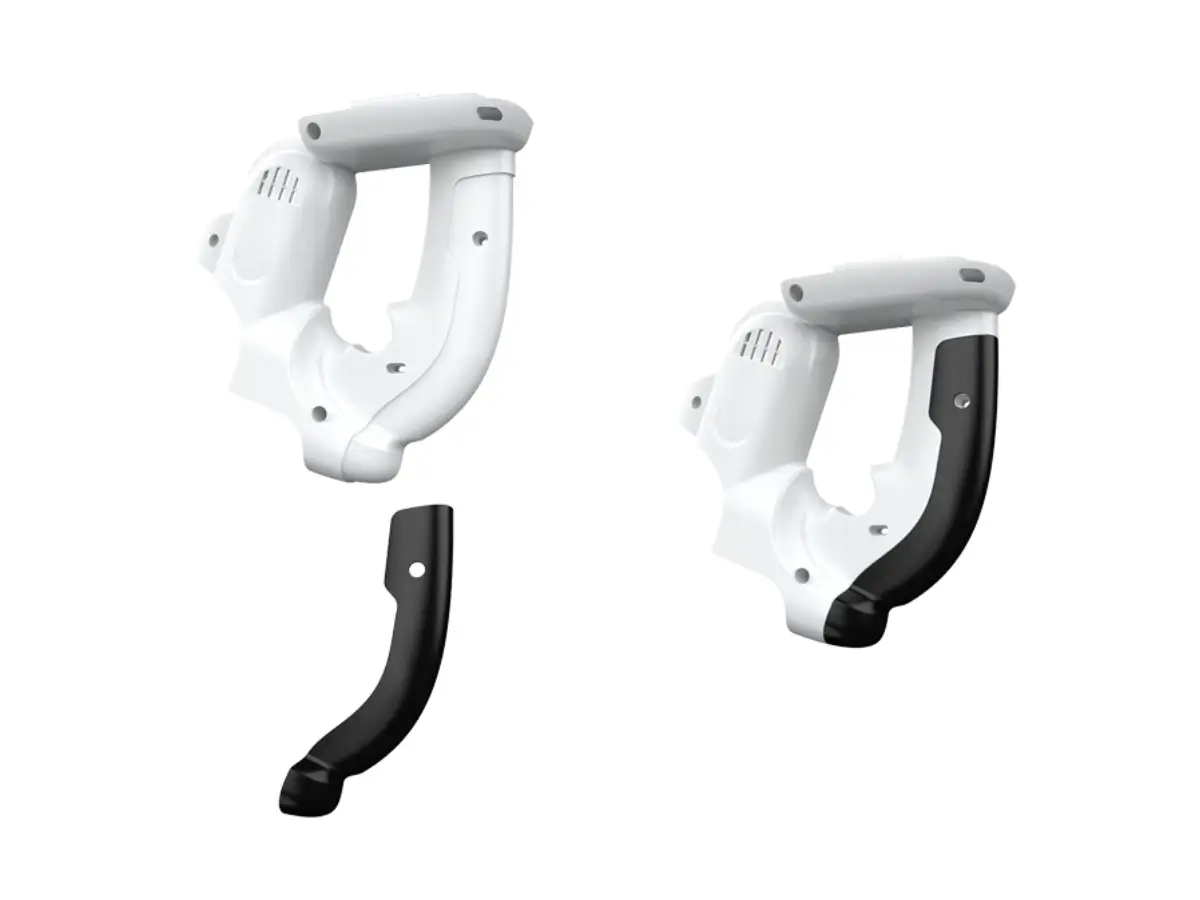
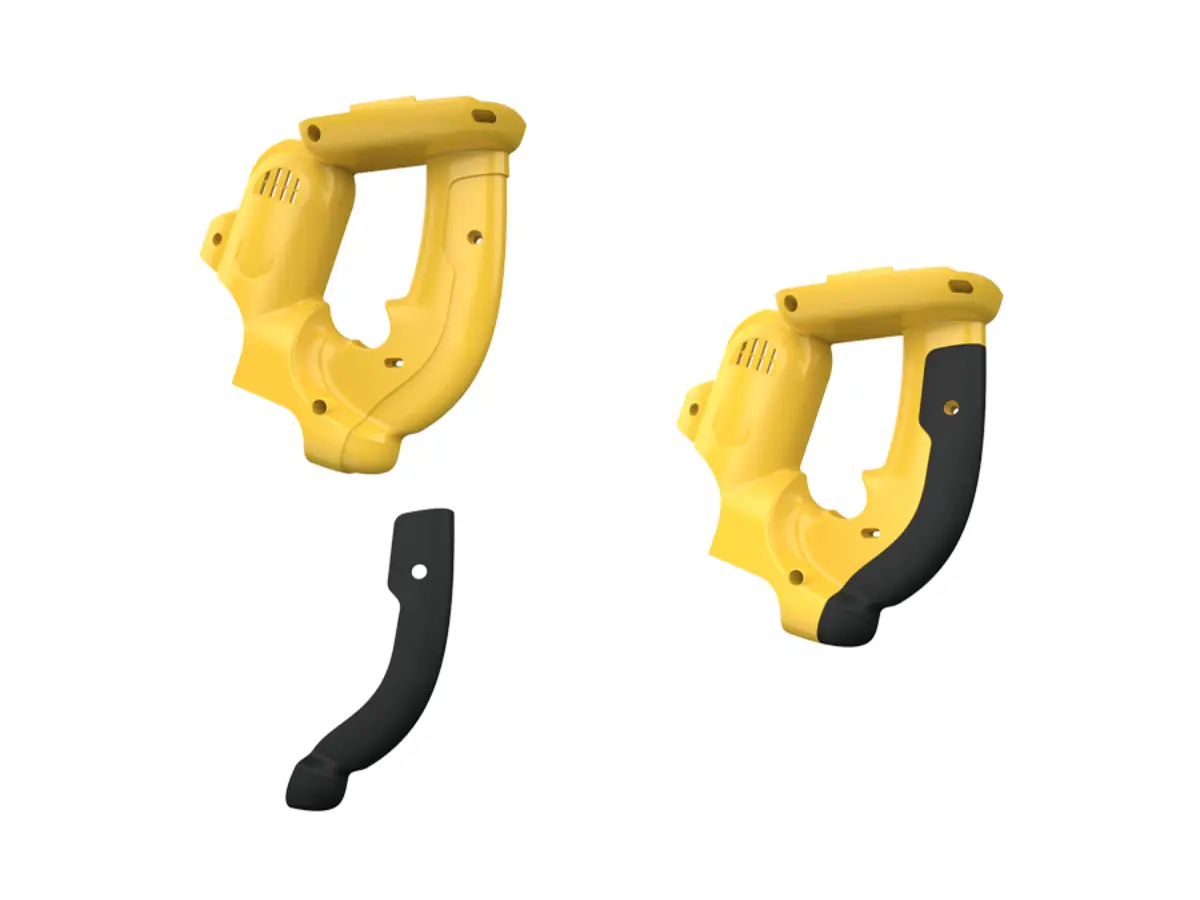
Overmolding improves product functionality and aesthetics by fusing different materials into one part, adding features like soft grips and multi-color designs for enhanced usability
- Improves strength and lifespan.
- Combines different materials seamlessly.
- Offers color and texture options.
- Plastic Over Metal
Insert molding integrates metal or other materials into plastic parts during molding, enhancing strength and reducing assembly time for components with embedded features.
- Reduces assembly steps.
- Enhances component durability.
- Lowers production expenses.
- Rubber Over Metal
Insert molding integrates metal or other materials into plastic parts during molding, enhancing strength and reducing assembly time for components with embedded features.
- Reduces assembly steps.
- Enhances component durability.
- Lowers production expenses.
Overmolding
Tooling Solutions
Prototyping
Rapid Tooling
Get easy design feedback and validation through superior quality prototype tooling. Create small batches of plastic molded parts with excellent injection molding prototypes. We excel at manufacturing prototype molds within days to ensure you perform functional tests and validate market interest.
Our molds with steel cavities and cores typically have a shot life of 1,000 to 5,000 shots and can be manufactured within two weeks.
Production
Production Tooling
We create high-quality production molds for high-volume plastic parts production. With high-strength, durable tool steel material, our production tooling is suitable for producing hundreds of thousands of parts. We can vary materials and construction methods according to your unique requirements.
Our high performance steel tool is capable of enduring up to 10,000 shots, and generally parts can be produced within 3 weeks.
Termite Precision's Overmolding Finishes
SPI Finishes
Our SPI finishes range from Grade 3 diamond/high polish to 320 stone low polish. The available finishing options include SPI A-1, SPI A-2, SPI A-3, SPI B-1, SPI B-2, SPI B-3, SPI C-1, SPI C-2, SPI C-3, SPI D-1, SPI D-2, and SPI D-3.
As molded
There is no secondary polishing or grinding, which means that our parts will display marks from the tooling process.
materials
Materials for
Overmolding
We offer a broad range of thermoplastic and thermoset materials, each selected for its performance characteristics and suitability for different applications.
Plastics

ABS is strong, durable, and offers good resistance to heat and impact. It’s preferred for automotive components and consumer goods.
ABS Beige(Natural)
ABS Black
ABS Black Antistatic
ABS Milky White
ABS+PC Black
ABS+PC White
Polycarbonate is extremely durable and has high impact resistance, along with excellent clarity, used for bullet-proof glass and protective gear.
PC Black
PC Transparent
PC White
PC Yellowish White
PC+GF30 Black
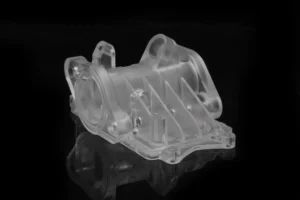
PMMA, or acrylic, is known for its crystal clarity and weather resistance, making it ideal for outdoor fixtures and display cases.
PMMA Black
PMMA Transparent
PMMA White

POM is strong, with a low friction surface and good dimensional stability, perfect for precision parts in mechanical applications.
Dark brown (coffee) POM 100AF
POM Black
POM Blue
POM White
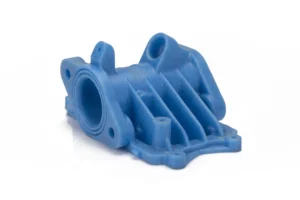
Nylon is versatile, strong, and wears well against friction, commonly used for gears, bearings, and other wear-resistant surfaces.
PA(Nylon) Blue
PA6 (Nylon)+GF15 Black
PA6 (Nylon)+GF30 Black
PA66 (Nylon) Beige(Natural)
PA66 (Nylon) Black
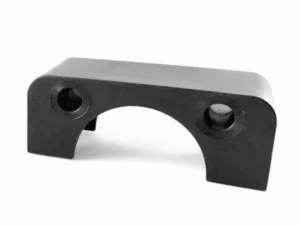
Polyethylene is lightweight and has high resistance to impact, widely used in packaging and containers.
PE Black
PE White

PEEK is renowned for its high temperature resistance and strength, often used in aerospace and medical implant manufacturing.
PEEK Beige(Natural)
PEEK Black

Polypropylene is tough, has excellent chemical resistance, and is used for automotive parts, containers, and in packaging.
PP Black
PP White
PP+GF30 Black
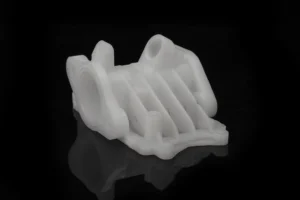
HDPE is known for its high strength-to-density ratio, resistance to impacts, and is used in making bottles and corrosion-resistant piping.
HDPE Black
HDPE White
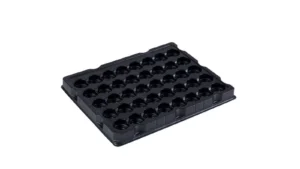
HIPS is easy to machine and offers good dimensional stability and impact resistance, suitable for prototyping and modeling.
HIPS Board White

LDPE is soft, flexible, and used in applications where heat sealing is required, such as in tubing and plastic bags.
LDPE White
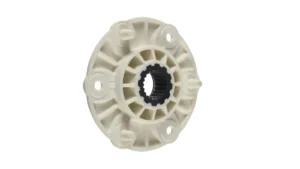
PBT is a strong, rigid plastic that is heat resistant and commonly used in electrical components and casings.
PBT Black
PBT Milky White(Natural)
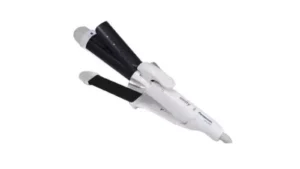
PPA offers high heat resistance and stiffness, ideal for automotive and electrical applications that require durability at high temperatures.

PAI has exceptional thermal and chemical stability, used in high-performance parts in aerospace and automotive sectors.
PAI Brown
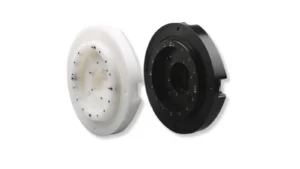
PET is strong, resistant to moisture and chemicals, and widely used in food containers and textile fibers.
PET Black
PET White
PET+GF30 Black
PET+GF30 White
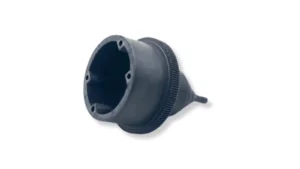
PPS features outstanding chemical and heat resistance, suitable for automotive and aerospace components.
PPS Black
PPS White
PPS+GF30 Black
PPS+GF30 White
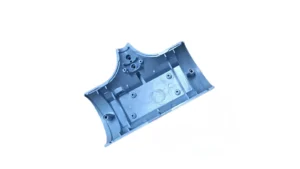
Polystyrene is lightweight and easy to machine, used for models, prototypes, and low-strength applications.
PS Transparent
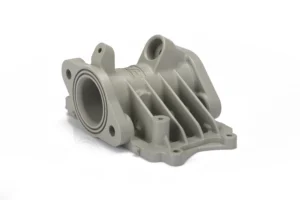
PVC is robust, cheap, and has good chemical resistance, used in plumbing, medical devices, and cables.
PVC Grey

PTFE is known for its outstanding chemical resistance and low friction, making it perfect for non-stick coatings and gaskets.
Teflon (PTFE) Black
Teflon (PTFE) White

UPE has extremely long chains, resulting in a very tough material, ideal for high-abrasion applications like lining chutes.
UPE Black
UPE White
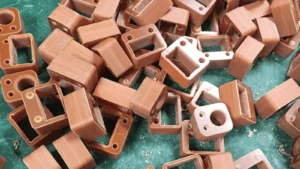
Bakelite is heat resistant and electrically non-conductive, perfect for electrical insulators and radio and telephone casings.
Bakelite Black
Bakelite Orange
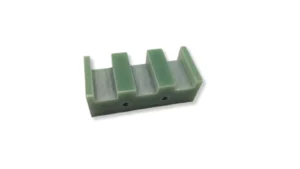
FR-4 is a flame-resistant material, primarily used in the electronics industry for circuit boards and insulators.
FR-4 Aqua Green
FR-4 Yellow
Overmolding
Capabilities
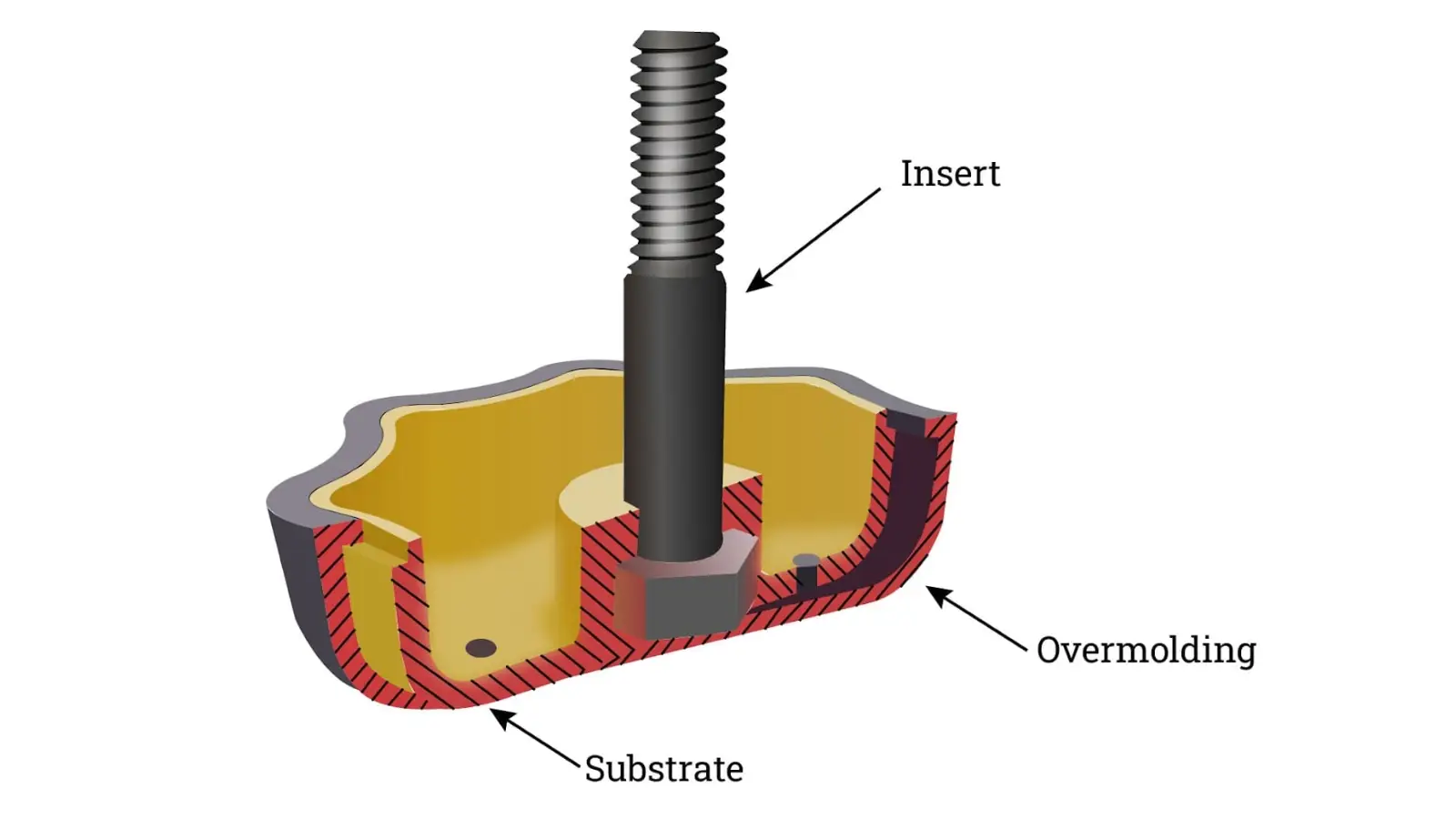
Termite Precision’s custom overmolding services ensure the creation of plastic parts that look and perform better. Our production line consists of an overmolding injection molding process that allows us to combine several different materials into one, ensuring you get superior-quality products.
| Standards | Description |
|---|---|
| Standards Maximum Part Size | Description 200×400×100mm 7.87×15.75×3.94 in. |
| Standards Manimum Part Size | Description 2×2×2mm 0.08×0.08×0.08in |
| Standards Substrate Wall Thickness | Description From 0.5 to 3mm From 0.20 to 0.12 in. |
| Standards Tolerance | Description +/- 0.025 mm +/- 0.00098 in. |
| Standards Radii | Description 0.1mm 0.0039in. |
| Standards Depth | Description 100mm from the parting line 3.94 in. from the parting line |
| Standards Mold Validation | Description Provide T0, T1, T2 samples before mass production |
| Standards Inspection and Certification Options | Description First Article Inspection, ISO 9001, ISO 13485 |
| Standards Lead Time | Description From mold making to sample delivery: 15-45 business days |
Advantages of Overmolding
Overmolding enhances product durability and functionality by integrating different materials, offering improved grip, aesthetics, and cost-effective assembly.
- Improved Design and Creation of Custom Plastic Parts: Overmolding capabilities ensure the creation of custom plastic-plastic or metal-plastic product combinations with a high dimensional quality.
- Better Product Performance: Overmolded parts are of excellent quality because of their two-material advantage for various applications.
- Increased Shelf and Aesthetic Appeal: The overmolding process can be optimized with many materials and surface treatment processes to improve the aesthetic quality of the product.
- Better Shock Absorption and Overall Durability: Overmolding also offers improved shock absorption due to the plastic resin addition, ensuring longer shelf life and excellent resistance against impacts.
- Lower Production Costs: Since overmolding eliminates post-assembly phase of production, it speeds up the production process and reduces overall manufacturing cost.
Applications of Overmolding
The injection overmolding process is compatible with a wide variety of materials, ranging from plastics to metals. This process helps produce custom prototypes and production parts for various applications depending on your requirements. Several industries find valuable uses for overmolding services.
- Surgical Instruments: Overmolding meets the precision and safety requirements of the medical industry. The ability to combine plastics and metal materials ensures the efficient creation of surgical devices, equipment housing, catheters, syringes, and more.
- Electrical Applications: Using thermoplastic elastomer as an overmold material makes the process useful for electrical components. Custom-made overmolded parts, like electrical outlet covers, gaskets, etc., are made to withstand harsh conditions, making them last longer.
- Hardware Tools: The functional advantages of overmolding make it an outstanding process for making pliers, screwdrivers, hammers, wrenches, pocket knives, and more. The process improves the grip of these tools, making their application more efficient.
- Household Items: The overmolding technique generally improves functional performance like grip, cleanliness, and ease of use. It also enhances vibration dampening, chemical resistance, and more. This makes them useful for household items like kitchen utensils, toothbrushes, pens, shampoo bottles, etc.
Overmolding
vs Insert Molding
While there are various similarities between overmolding and insert molding, there are also certain differences you must note. Here’s a video to explain the vital differences between these valuable processes.
FAQs
1. What is the overmolding process?
2. What is the difference between overmold and insert mold?
- Process Definition: Overmolding involves adding a second layer of material over an existing molded part, often combining different materials to achieve specific properties like improved grip or enhanced durability. In contrast, insert molding incorporates a pre-formed component, such as a metal insert, into the mold before the plastic is injected, creating a strong bond between the two materials.
- Application: Overmolding is typically used for ergonomic products, like handles and grips, where a softer material enhances comfort. Insert molding is favored in applications requiring structural integrity, such as automotive components, where metal parts need to be integrated into plastic housing.
- Design Flexibility: Overmolding allows for creative design combinations and aesthetics, while insert molding is focused on functionality, ensuring the insert is securely held within the molded part.
3. What materials are used in overmolding?
- Thermoplastics: These are frequently used due to their excellent flexibility and durability. Examples include Polypropylene (PP), which offers chemical resistance, and Polyethylene (PE), known for its toughness.
- Thermoplastic Elastomers (TPE): These materials combine the characteristics of rubber and plastic, providing elasticity and a soft touch. Styrenic block copolymers (SBC) are a popular choice for their superior flexibility and adhesion.
- Silicone: Known for its heat resistance and biocompatibility, silicone is ideal for medical devices and consumer goods requiring flexibility and durability.
- Polyurethane (PU): This material is valued for its cushioning properties and abrasion resistance, making it suitable for applications in automotive and footwear industries.
- Rubber: Often used for its excellent grip and vibration-damping properties, rubber is a preferred choice for handles and grips in various products.
4. What are the principles of overmolding?
5. What are the design considerations for overmolding?
6. Can silicone be overmolded?
Yes, silicone can be overmolded, but it takes careful planning. It’s often paired with thermoplastics to boost functionality or aesthetics. Strong adhesion depends on compatibility between the silicone and substrate, and surface prep like cleaning or priming may be needed. Precise temperature and molding control are also key to avoid damaging the silicone. When done right, silicone overmolding creates durable, high-performance parts for many applications.
7. Can EPDM be used for overmolding?
Absolutely. EPDM works great for overmolding with thermoplastics. Its flexibility, weather resistance, and ability to handle extreme temperatures make it perfect for outdoor and automotive use. Proper adhesion is crucial, so cleaning or treating the EPDM surface can help. Controlling temperature and pressure during molding ensures the EPDM stays intact. Done correctly, EPDM overmolding produces strong, reliable parts for tough environments.